
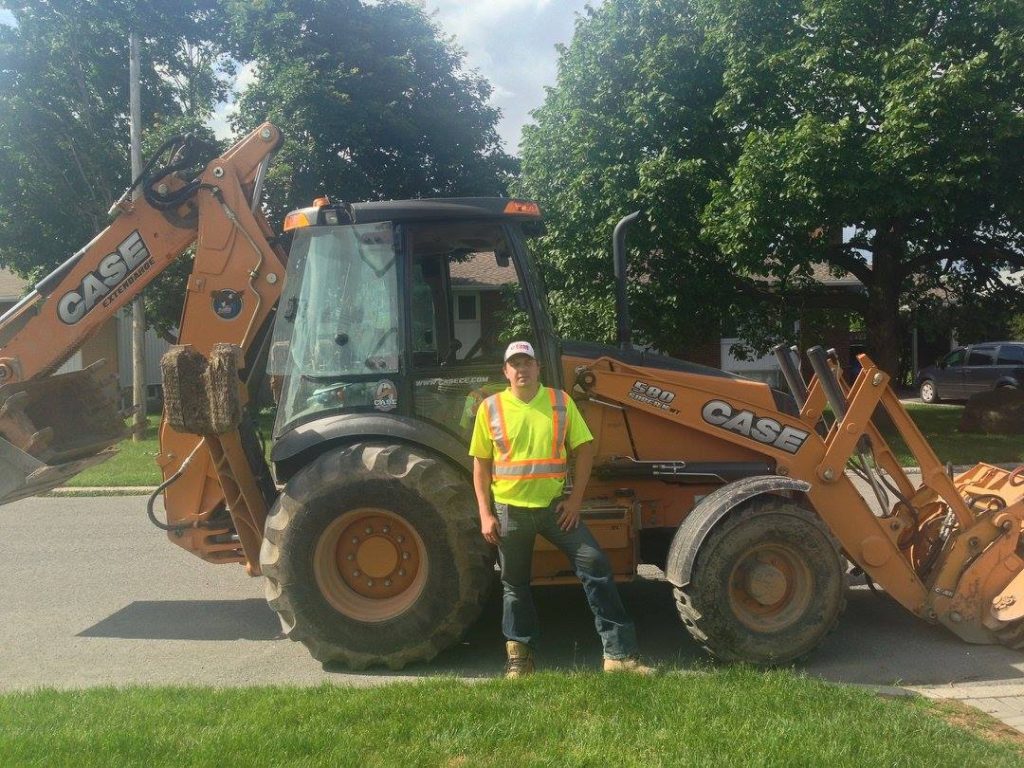
Sustainable landscaping isn’t just a trend in Ottawa — it’s something I’ve made a core part of my approach to property care. Every year, I work with commercial property managers, business owners, and multi-unit developments across Ottawa, Barrhaven, Kanata, Nepean, and Stittsville who want their properties to look great without wasting resources, increasing long-term costs, or harming the environment.
Over the years, I’ve refined a system that balances healthy growth, low maintenance, smart material choices, and long-term environmental benefits. Ottawa’s climate demands more than quick fixes or superficial improvements. It requires a landscaping strategy designed to survive harsh winters, unpredictable rain cycles, and hot summers — while still looking polished and professional.
Here’s exactly how I use sustainable landscaping to improve Ottawa properties year after year.
Understanding Ottawa’s Landscape and Climate
Before I apply any sustainable landscaping methods, I study the property’s:
- sunlight exposure
- soil composition
- drainage patterns
- shade pockets
- traffic flow
- wind exposure
- frost patterns
- surrounding structures
Ottawa isn’t a one-size-fits-all environment. Neighbourhoods like Barrhaven might experience dry spells and direct heat, while Kanata has areas with heavy shade and poor airflow. Sustainable landscaping starts with understanding these micro-conditions.
Once I understand how the property behaves throughout the seasons, I tailor the sustainable approach specifically to its needs.
1. Choosing Native and Climate-Resilient Plants
One of the biggest mistakes property owners make is selecting plants that look good but aren’t built for Ottawa’s climate. I focus on native and climate-resilient species because they require:
- less watering
- fewer chemical treatments
- minimal replacement
- better winter survival
- stronger resistance to pests
These plants thrive naturally with less intervention, which means the property stays healthier while reducing environmental and maintenance costs.
Examples include:
- serviceberry
- red osier dogwood
- northern shrubs
- hardy ornamental grasses
- low-maintenance perennials
These choices hold up through Ottawa’s harsh winters and come back stronger each spring.
2. Creating Smart Soil Health Strategies
Healthy soil is the foundation of sustainable landscaping. I don’t just add fertilizer — I rebuild soil structure so turf and plants can thrive naturally.
My soil-health strategy includes:
- incorporating organic matter
- using slow-release, eco-friendly nutrients
- improving aeration
- correcting pH levels
- addressing compaction from foot traffic or snow piles
When soil is healthy, plants need fewer chemical inputs and significantly less water. This boosts long-term sustainability and reduces costs for property owners.
3. Strategic Mulching to Reduce Water Waste
Mulch is one of the most underrated tools in sustainable landscaping. I apply mulch strategically to:
- lock in moisture
- reduce watering needs
- suppress weed growth
- protect roots in extreme heat
- insulate garden beds during winter
Mulch reduces water use dramatically, especially during Ottawa’s hot, dry summers. It also keeps landscapes looking clean and professional.
4. Designing Landscapes That Work With Natural Water Flow
Ottawa’s freeze-thaw cycles make water management a major concern. Without proper planning, water will pool, erode, or damage surrounding surfaces.
To make landscaping sustainable, I incorporate:
- natural grading
- swales
- improved drainage channels
- strategic plant placement
- proper soil depths
- garden beds that help absorb runoff
Instead of fighting water, I redirect it in ways that improve the landscape and reduce flooding risks.
5. Reducing High-Maintenance Turf Areas
Large lawn spaces are costly to maintain and require frequent watering, mowing, and fertilizing. I reduce high-maintenance turf areas where appropriate by:
- expanding garden beds
- installing hardy groundcovers
- using stone features
- adding low-maintenance shrubs
- incorporating naturalized sections
This approach lowers the environmental impact while still making the property look polished and inviting.
6. Smart Seasonal Planning That Reduces Waste
Sustainability isn’t just about summer. I plan seasonal landscaping to reduce waste and support long-term growth.
Spring
- clearing debris without damaging soil
- strategic fertilization
- repairing winter damage naturally
Summer
- adjusting cutting heights to protect turf
- selective watering recommendations
- organic pest prevention
Fall
- mulching leaves when possible
- reducing bare soil exposure
- preparing roots for winter survival
Winter
- protecting plant bases from snow equipment
- monitoring meltwater flow
- preventing salt damage
Every season plays a role in long-term property health.
7. Preventing Salt Damage During Winter
Ottawa winters are harsh on landscapes, especially because of salt use in commercial areas. I use methods to minimize salt impact, such as:
- directing salt away from sensitive areas
- installing salt-tolerant plant species
- placing protective barriers where needed
- adjusting plowing angles to reduce salt spray
- applying fresh mulch in fall to protect roots
By protecting the landscape during winter, I reduce spring recovery costs and preserve long-term plant health.
8. Improving Curb Appeal Without Wasting Resources
Sustainable landscaping doesn’t mean boring or minimal. It means thoughtful design and long-lasting results.
I prioritize:
- clean lines and bed shaping
- hardy colour plants
- layered planting for depth
- low-maintenance shrubs
- seasonal interest through all months
- strategic placement to highlight buildings
The property looks better year-round — without the constant need for replacements or heavy maintenance.
9. Using Materials That Last
Sustainable landscaping goes beyond plants. I choose materials that reduce long-term waste, including:
- high-quality edging
- durable mulch
- commercial-grade soil mixes
- stone that withstands freeze-thaw cycles
- weather-resistant shrubs and trees
Quality materials reduce how often items need to be replaced, which saves the property money and reduces environmental impact.
10. Long-Term Maintenance Plans That Protect the Property
The final piece of sustainable landscaping is ongoing care. I create maintenance plans that support:
- long-term soil health
- proper pruning cycles
- reduced energy and water use
- minimized waste
- stronger plant survival rates
- seasonal protection strategies
This plan is tailored to the property’s needs and adjusted every season to keep it strong.
Why Sustainable Landscaping Works So Well in Ottawa
Ottawa’s climate demands a landscaping approach that is:
- resilient
- low-maintenance
- resource-efficient
- adaptable
- environmentally conscious
My sustainable method reduces environmental stress while increasing the lifespan of every landscape element. Property managers appreciate that it lowers annual costs, improves appearance, and keeps the site healthier year after year — without unnecessary chemical treatments or constant replacements.
Let Me Improve Your Ottawa Property the Sustainable Way
If you manage a commercial property in Ottawa, Nepean, Kanata, Barrhaven, Westboro, or Stittsville, and you want landscaping that:
- looks great year-round
- withstands our climate
- reduces maintenance costs
- protects the environment
- lasts longer than traditional setups
—I’m ready to help.