
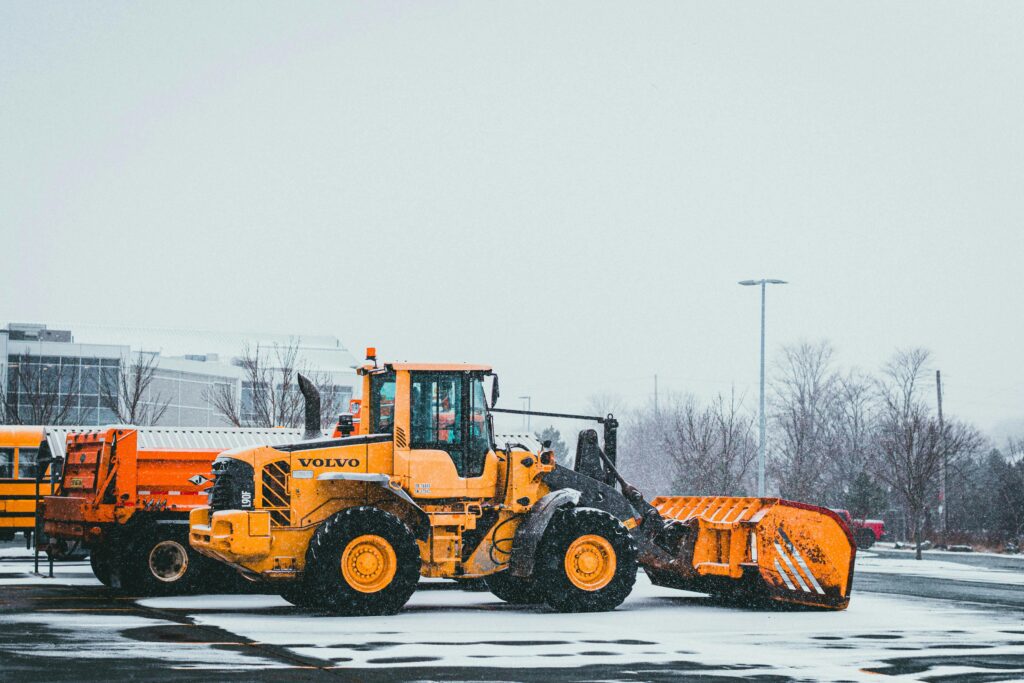
Ottawa winters are unpredictable, aggressive, and unforgiving. Every year, commercial properties across the city face heavy snowfalls, flash freezing, drifting snow, freezing rain, and temperature swings that turn parking lots and walkways into hazards in a matter of hours. Keeping these properties safe, open, and professional during severe storms requires experience, preparation, and a system designed specifically for Ottawa’s climate.
Over the years, I’ve developed a winter maintenance strategy that protects businesses, reduces liability, improves safety, and keeps operations running smoothly — even during the worst weather events. In this blog, I explain exactly how I maintain commercial properties throughout Ottawa’s toughest winter storms and ensure they remain fully functional for tenants, staff, and customers.
Understanding Ottawa’s Storm Patterns Before the Season Begins
Ottawa’s winter challenges aren’t generic — they’re unique to our region. Before each season starts, I study:
- historical snowfall data
- temperature patterns
- freeze–thaw frequencies
- storm predictions
- ice formation trends
- wind patterns in different neighbourhoods
- microclimates in commercial zones
Areas like Barrhaven and Kanata experience drifting snow differently from Nepean or Westboro. Large commercial plazas have wide-open lots that freeze faster, while multi-unit complexes face heavy foot traffic and quick ice accumulation.
Knowing how storms behave allows me to build exact maintenance protocols for each property I manage.
1. Pre-Season Property Assessments and Hazard Mapping
Long before the first storm arrives, I walk each commercial property and map out:
- high-traffic pedestrian areas
- emergency exits and fire lanes
- loading docks and delivery zones
- slopes and frost-prone areas
- drainage patterns
- curb lines and barriers
- walkways, entrances, and crosswalks
- areas where drifting snow typically builds up
- shaded zones that freeze faster
This assessment helps me anticipate storm-specific risks and prepare proactive solutions.
2. Preparing Equipment, Materials, and Staff for Peak Storm Activity
When Ottawa storms hit, timing is everything. I never wait until the last minute. Before the season starts, I:
- inspect every plow, salter, and loader
- stockpile environmentally responsible de-icers
- position equipment across key zones in Ottawa
- train staff for overnight storm response
- assign routes based on property size and urgency
- review emergency protocols
By the time the first winter storm hits, every part of my system is ready to deploy instantly.
3. Pre-Treating Surfaces to Prevent Ice Bonding
One of the most effective steps in surviving major storms is pre-treating surfaces. Before storm activity begins, I apply:
- liquid brine
- reduced-salt anti-ice materials
- targeted pre-treatments for frost-prone zones
This prevents ice from bonding to the pavement, making snow removal faster, easier, and safer. It also reduces salt usage and improves traction during high-risk weather.
4. Continuous Plowing Throughout the Storm — Not Just After
One of the biggest mistakes a contractor can make is waiting for a storm to finish before plowing. That approach causes:
- compacted snow buildup
- dangerous ice layers
- blocked entrances
- unsafe drive lanes
- expensive post-storm clearing
My method is different. I plow throughout the storm, making multiple passes to keep the property accessible, including:
- parking lots
- loading docks
- laneways
- emergency routes
- entrance lanes
Maintaining momentum during snowfall prevents the property from becoming overwhelmed.
5. Post-Storm Deep Clearing and Surface Scraping
When the storm finally ends, I move into full cleanup mode. This includes:
- curb-to-curb plowing
- clearing back lanes and tight spaces
- scraping compacted snow down to bare pavement
- clearing snow piles away from visibility lines
- widening drive lanes
- treating icy patches
- clearing pedestrian zones thoroughly
A property isn’t truly safe until all areas are cleared — not just the main lot.
6. Strategic Snow Pile Placement to Prevent Hazards
Improper snow pile placement causes huge problems for commercial properties, especially during severe storms. I manage snow piles carefully to avoid:
- blocked sightlines
- flooding during thaw
- drifting snow back onto pathways
- ice formation near entrances
- damaged landscaping and turf
Snow is placed where it can melt safely and drain properly without impacting customers or tenants.
7. Applying Temperature-Appropriate De-Icers
Not all de-icers work the same. Ottawa’s extreme cold can make traditional road salt ineffective. I use a targeted approach based on temperature and surface conditions:
- chloride-based salt for mid-range temperatures
- enhanced traction mixtures for extreme cold
- eco-friendly alternatives near sensitive landscaping
- treated materials for shaded areas prone to re-freezing
By applying the right material at the right time, I keep surfaces safe without overusing chemicals.
8. Monitoring Properties Overnight During Freeze–Thaw Cycles
Ottawa storms rarely end when the snowfall stops. Freeze–thaw cycles often follow, creating sudden ice sheets overnight. That’s why I continue monitoring each property after the storm.
I check for:
- black ice
- melting snow runoff
- refreezing in shaded zones
- new frost accumulation
- drifting snow that returns overnight
This proactive approach prevents early-morning accidents and ensures businesses open safely without emergency calls.
9. Protecting Pedestrian Zones and High-Risk Areas
Commercial properties include areas that require extra attention during storms:
- main walkways
- storefront entrances
- crosswalks
- loading zones
- sidewalks
- ramps
- multi-unit pedestrian corridors
I apply more frequent salting, scraping, and ice checks in these zones. Slip-and-fall prevention is a major part of my storm strategy.
10. Communication with Property Managers Throughout the Storm
My clients never have to guess what’s happening during a storm. I provide:
- pre-storm alerts
- updates as conditions change
- ETA notifications
- completion reports
- service logs
- photographs when needed
This keeps property managers informed and reassured during high-risk weather.
11. Reviewing Conditions After Storms to Prevent Future Issues
After major storms, I don’t simply pack up and leave. I review:
- snow pile size and placement
- how the drainage responded
- any areas that froze faster than expected
- new surface damage to asphalt or concrete
- walkway areas that need additional attention
This ensures the next storm is handled even better than the last.
Why My System Works During Ottawa’s Harshest Winter Storms
My winter storm approach is effective because it’s built on:
- prevention
- continuous service
- strategic planning
- real-time monitoring
- responsible material use
- clear communication
- site-specific customization
- professionalism
Every commercial property I maintain, whether in Ottawa, Barrhaven, Kanata, Nepean, or Stittsville, gets the same level of detail and care — no matter how harsh the storm is.
Your Commercial Property Deserves Reliable Winter Protection
If you manage a commercial property and want dependable, professional winter storm maintenance, I’m ready to help. My approach keeps properties:
- safe
- accessible
- clean
- compliant
- ready for business
- protected from long-term damage
Let’s keep your property safe and operational through every storm Ottawa throws at us.