
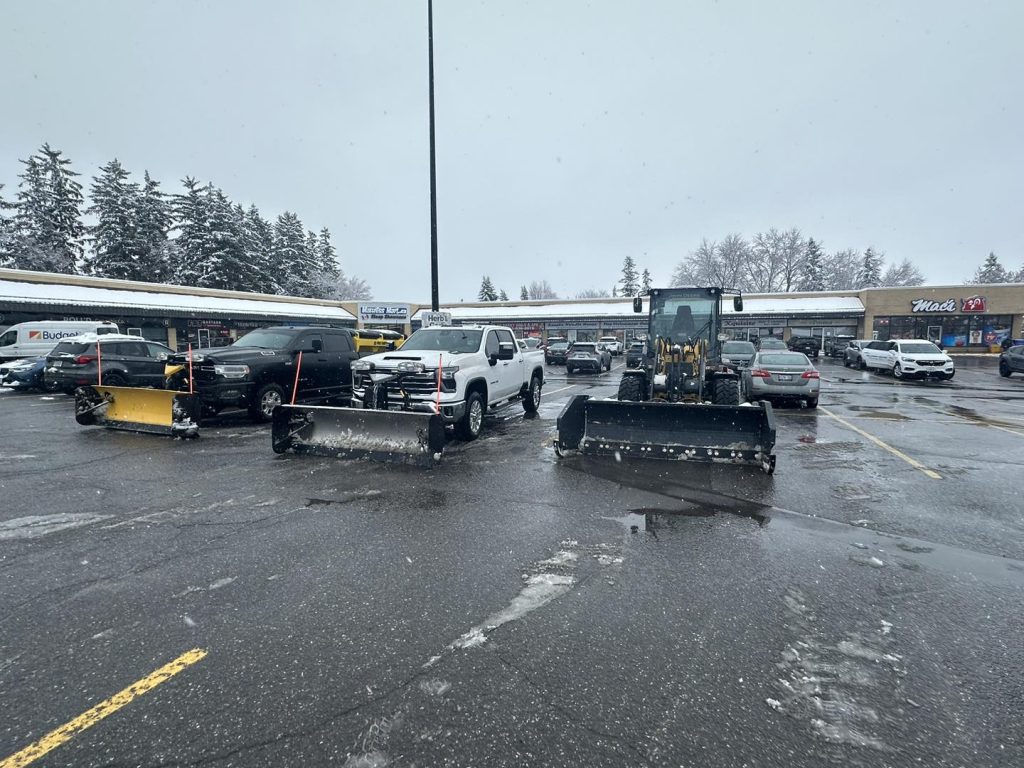
If there is one challenge that consistently harms commercial properties in Ottawa, it’s the freeze–thaw cycle. In a single week, temperatures can swing from -18°C to +5°C, melting snow during the day and turning everything into solid ice by night. Those constant shifts wreak havoc on asphalt and create serious safety risks for businesses, tenants, customers, and employees.
Over the years, I’ve developed a methodical system that protects commercial parking lots from these damaging cycles. My approach focuses on early prevention, consistent monitoring, and strategic winter maintenance — all designed to reduce liability, extend pavement life, and keep properties looking professional no matter how unpredictable the weather becomes.
Here’s exactly how I prevent parking lot damage and liability during Ottawa’s freeze–thaw cycles.
Understanding Ottawa’s Freeze–Thaw Cycle
Ottawa deals with one of the most intense freeze–thaw patterns in Canada.
These cycles cause:
- cracks to widen
- potholes to form
- asphalt to separate
- water to infiltrate the surface
- ice to build up unpredictably
- pavement to break down faster
When water enters small cracks during the day and freezes at night, it expands. That expansion pressure tears pavement apart from the inside — leading to potholes and deep structural failures. If not managed properly, these minor problems quickly become major repairs.
Commercial properties feel this more than residential ones because:
- traffic is heavier
- delivery trucks add weight stress
- salt exposure is higher
- snow piles melt and refreeze faster
- more foot traffic increases liability
That’s why my system always focuses on prevention first.
1. Inspecting the Parking Lot Long Before Winter Arrives
The best defence against freeze–thaw damage is identifying vulnerabilities early.
Before winter begins, I walk the entire property and assess:
- small cracks
- failed patches
- low spots where water pools
- worn or sunken sections
- weakened edges
- areas prone to repeated cracking
- drainage flow patterns
If a parking lot has even one untreated crack in October, it could turn into a pothole by January. I address everything early to stop damage before it starts.
2. Professional Crack Sealing Before the Temperature Drops
Crack sealing is the most important freeze–thaw prevention step — and it’s one I never skip.
Before winter, I seal:
- hairline cracks
- moderate cracks
- edge cracks
- expansion cracks in high-traffic areas
This keeps water out and stops it from freezing inside the pavement. Proper sealing prevents:
- potholes
- fissures
- surface heaving
- structural breakage
- crumbling asphalt
A lot of contractors wait until spring — I fix problems before snow covers them.
3. Managing Drainage to Prevent Water Pooling
Standing water is the #1 cause of freeze–thaw damage.
If meltwater pools anywhere on the parking lot, it will freeze at night and cause:
- surface fracturing
- ice sheets
- trip hazards
- sudden liability risks
I study the slope of the lot and identify areas where water is not draining properly. Then I:
- clear catch basins
- open drainage channels
- remove blockages
- rebuild small low spots
- guide meltwater away from high-traffic zones
Proper drainage protects both the pavement and the people who use the property.
4. Monitoring Temperatures and Predicting Ice Formation
Freeze–thaw cycles don’t always follow snowfall. Sometimes the pavement is dry, but humidity and air temperature create invisible ice risks.
I monitor:
- surface temperatures
- air temperatures
- dew point
- shade areas
- nighttime cooling patterns
This allows me to treat ice before it forms, rather than reacting after a slip occurs.
5. Using the Correct De-Icing Materials for Each Temperature
Not all de-icers work the same — and using the wrong one increases pavement damage.
My de-icing approach depends on the temperature:
- Above -10°C: standard salt works effectively
- Between -10°C and -20°C: enhanced traction mixes are used
- Below -20°C: alternative materials are required because salt becomes ineffective
Using the right material protects asphalt, reduces waste, and improves safety.
I also use eco-friendly blends where possible to reduce chloride damage to pavement edges and surrounding landscaping.
6. Continuous Ice Management Throughout the Winter
Freeze–thaw cycles can create new ice every night — even if no snow falls.
That’s why I monitor parking lots daily during high-risk periods. I check:
- north-facing areas
- shaded zones beside buildings
- dips near curbs
- melted snow piles
- areas exposed to blowing snow
- low-lying traffic lanes
These areas freeze faster and require regular treatment.
Commercial properties that don’t get consistent monitoring almost always face sudden ice hazards. I prevent those hazards before the morning rush.
7. Strategic Snow Pile Placement to Avoid Ice Reformation
Many people underestimate how much snow pile placement impacts freeze–thaw conditions.
When piles melt during the day, water flows across the lot — and refreezes at night.
To prevent this, I:
- place piles away from entrances
- choose locations with safe drainage
- avoid placing snow near slopes
- position piles where meltwater can move into drains
- reduce ice flow onto walkways and pedestrian areas
Snow management is engineering — not guesswork.
8. Scraping and Clearing Compact Snow to Prevent Ice Layers
During storms, driving and walking compact snow into the pavement creates a layer that’s difficult to remove later. When it melts and refreezes, it becomes smooth, dangerous black ice.
I scrape this layer down early and often, ensuring:
- surfaces remain clean
- traction stays high
- freeze–thaw cycles have less material to work with
Clean pavement reduces ice formation by over 70%.
9. Immediate Response to Overnight Ice Formation
Ottawa’s freeze–thaw cycle often produces ice after midnight. Businesses open early, so I stay ahead of the problem.
I check properties:
- early morning
- before opening hours
- during overnight thaws
- after sudden temperature drops
This keeps commercial properties safe before employees and customers arrive — not after an accident occurs.
10. Documenting Every Visit to Reduce Liability
Liability protection is a critical part of freeze–thaw maintenance.
For every visit, I document:
- time of arrival
- weather conditions
- material applied
- actions taken
- areas treated
- follow-up recommendations
If a property ever faces a slip-and-fall claim, this documentation can protect the owner from unnecessary liability.
Why My Freeze–Thaw Strategy Works in Ottawa
My approach works because it’s built around:
- early detection
- preventive maintenance
- precise material usage
- constant monitoring
- proactive ice control
- proper drainage
- strategic snow placement
- heavy emphasis on safety
Commercial properties I manage experience fewer potholes, fewer customer accidents, and longer pavement life — even with Ottawa’s harsh freeze–thaw cycle working against them.
Let Me Protect Your Parking Lot This Winter
If you manage a commercial property in Ottawa, Kanata, Nepean, Barrhaven, Stittsville, or surrounding regions, I can build a freeze–thaw protection strategy that keeps your parking lot safe, strong, and professional all winter long.
Let’s stop damage before it starts and keep your property protected through every freeze–thaw cycle Ottawa throws at it.