
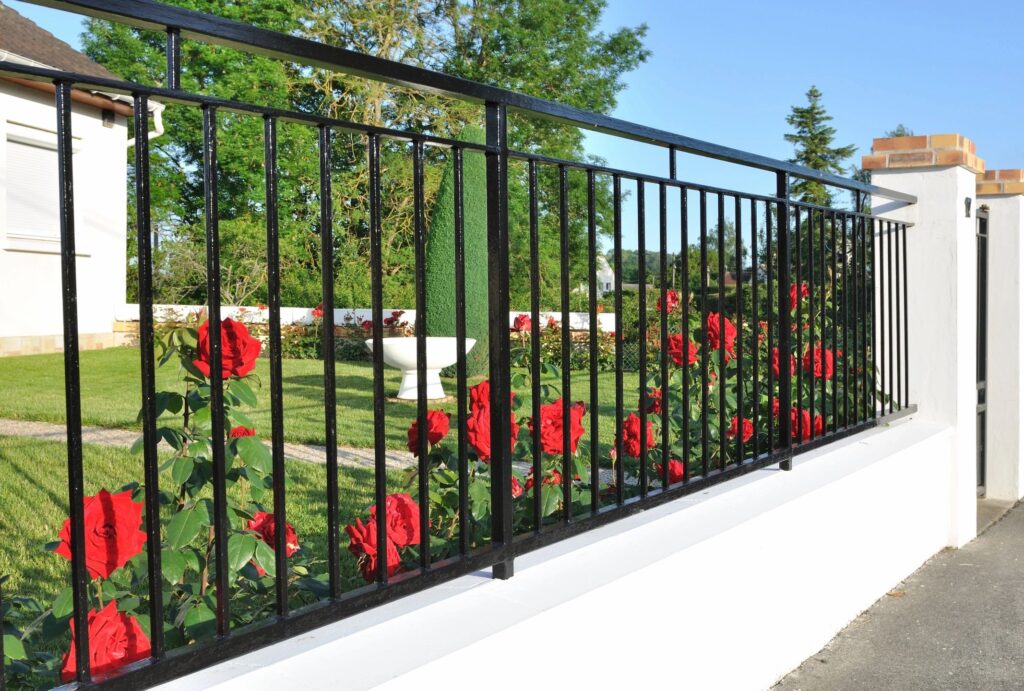
Commercial properties in Stittsville are evolving rapidly as businesses and property managers place greater importance on the appearance, sustainability, and functionality of their outdoor spaces. Landscaping and groundskeeping are no longer viewed simply as routine maintenance tasks. Instead, they are now considered strategic elements that influence property value, tenant satisfaction, and the overall experience of visitors.
Modern commercial landscapes are designed to be efficient, environmentally responsible, and visually appealing throughout the year. From sustainable plant choices to technology driven irrigation systems, the landscaping industry is adapting to new expectations and environmental realities. Property owners in Stittsville who stay ahead of these trends can create outdoor spaces that enhance curb appeal while reducing long term maintenance costs.
Understanding these emerging landscaping and groundskeeping trends helps commercial properties remain competitive, attractive, and functional in a growing community.
The Growing Importance of Commercial Landscaping
Landscaping has become a key component of commercial property management. Outdoor spaces contribute significantly to how a property is perceived by tenants, customers, and visitors. Well maintained landscapes create a positive first impression and signal that a property is professionally managed.
Beyond aesthetics, landscaping also supports practical benefits such as improved drainage, safer walkways, and more comfortable outdoor environments. Businesses increasingly recognize that thoughtfully designed outdoor spaces can enhance employee satisfaction, attract customers, and strengthen brand image.
Modern commercial landscaping focuses on creating environments that are not only attractive but also efficient and adaptable to changing environmental conditions.
Sustainable Landscaping Practices
Sustainability has become one of the most influential trends shaping commercial landscaping today. Property owners are increasingly choosing landscape designs that conserve resources while supporting long term environmental health.
One of the most common approaches is the use of native and climate adapted plants. These plant species are naturally suited to local conditions, which means they require less water, fewer fertilizers, and less maintenance. Native plants also support local biodiversity and help create balanced ecosystems within landscaped areas.
Another sustainable practice is the use of permeable surfaces and rain gardens. These features help manage stormwater by allowing water to absorb into the soil rather than running off hard surfaces. Proper water management helps prevent erosion, reduces flooding risk, and protects surrounding landscapes.
For commercial properties in Stittsville, adopting sustainable landscaping practices can significantly reduce maintenance costs while supporting environmental responsibility.
Smart Irrigation and Technology Integration
Technology is transforming the way commercial landscapes are managed. Smart irrigation systems are becoming increasingly popular because they allow property managers to optimize water usage while maintaining healthy landscapes.
These systems use sensors and weather data to determine when and how much water plants need. By adjusting watering schedules automatically, smart irrigation reduces water waste and improves plant health.
Automation is also appearing in other areas of landscape maintenance. Robotic lawn equipment, digital monitoring tools, and app controlled lighting systems allow maintenance teams to manage properties more efficiently.
Technology driven landscaping solutions help reduce labor demands while improving consistency and performance across large commercial sites.
Low Maintenance Landscape Design
Another growing trend in commercial landscaping is the shift toward low maintenance designs. Property managers are increasingly choosing landscape features that require less frequent upkeep while still delivering strong visual impact.
This often includes reducing large areas of high maintenance turf and replacing them with ground covers, ornamental grasses, or durable shrubs. These plants require less mowing, watering, and fertilizing while still maintaining a clean and professional appearance.
Low maintenance landscaping also helps commercial properties reduce operational costs. Fewer maintenance tasks mean less time, labor, and equipment are required to keep landscapes looking attractive.
In busy commercial areas like Stittsville, efficient landscape design helps property managers maintain high standards without unnecessary complexity.
Functional Outdoor Spaces
Modern commercial landscapes are being designed to serve practical purposes beyond aesthetics. Many businesses are now incorporating functional outdoor spaces into their properties.
These spaces may include seating areas, shaded courtyards, walking paths, and gathering zones where employees and visitors can relax or collaborate. Outdoor environments that encourage interaction and relaxation are becoming increasingly popular in office parks and commercial complexes.
Creating comfortable outdoor areas can improve workplace environments and enhance customer experiences. Employees benefit from access to fresh air and green surroundings, while customers often enjoy spending time in well designed outdoor settings.
For commercial properties in Stittsville, functional landscapes can transform unused spaces into valuable assets that support productivity and engagement.
Climate Resilient Landscaping
As weather patterns become less predictable, climate resilient landscaping is becoming a priority for commercial properties. Landscapes must be designed to withstand extreme conditions such as heavy rainfall, drought periods, and fluctuating temperatures.
Climate adaptive landscaping focuses on selecting durable plant species and designing landscapes that remain stable under changing environmental conditions. Techniques such as soil improvement, efficient drainage systems, and layered plantings help landscapes remain resilient throughout the year.
For properties in Stittsville, where seasonal weather can vary significantly, climate resilient landscapes help reduce damage while maintaining consistent appearance and functionality.
Seasonal Landscape Planning
Commercial landscaping is increasingly planned with all four seasons in mind. Rather than focusing only on summer appearance, modern landscape strategies aim to maintain visual interest throughout the entire year.
This approach involves selecting plants that provide seasonal color, evergreen structure, and varied textures. Spring blooms, summer greenery, autumn foliage, and winter hardy plants create landscapes that remain attractive regardless of the season.
Seasonal planning also ensures that landscapes transition smoothly between maintenance cycles. By preparing landscapes for seasonal changes in advance, property managers can maintain consistent property appearance and avoid unexpected maintenance challenges.
Biodiversity and Natural Landscaping
Another emerging trend in commercial landscaping is the emphasis on biodiversity. Instead of relying on uniform plantings, many properties are adopting diverse plant combinations that mimic natural ecosystems.
Biodiverse landscapes support pollinators such as bees and butterflies while improving soil health and ecological balance. Layered planting designs that include ground cover, shrubs, and trees create visually dynamic landscapes that evolve naturally over time.
Natural landscaping also helps commercial properties appear more environmentally responsible, which is increasingly important to tenants and customers who value sustainability.
Enhanced Landscape Lighting
Lighting is playing a larger role in commercial groundskeeping and landscape design. Proper landscape lighting improves both safety and aesthetics for commercial properties.
Energy efficient LED lighting systems highlight building entrances, pathways, and landscape features while improving visibility at night. Smart lighting systems can automatically adjust brightness based on natural light levels, reducing energy consumption.
Strategic lighting placement enhances the visual appeal of landscapes while ensuring safe navigation for pedestrians and vehicles after dark.
The Rise of Vertical Landscaping
Urban development often limits the amount of available ground space for landscaping. Vertical landscaping solutions provide a creative way to introduce greenery without requiring large surface areas.
Green walls, vertical gardens, and plant covered structures are becoming increasingly popular in commercial design. These installations maximize available space while improving air quality and building insulation.
Vertical landscaping also adds visual interest to building facades and outdoor areas, helping commercial properties stand out.
The Future of Commercial Groundskeeping in Stittsville
The landscaping industry continues to evolve as property owners seek smarter, more sustainable solutions for maintaining outdoor spaces. The trends shaping commercial landscapes today emphasize efficiency, environmental responsibility, and functional design.
For commercial properties in Stittsville, adopting these trends can create long term benefits. Sustainable plant choices reduce maintenance demands, smart irrigation improves water efficiency, and functional outdoor spaces enhance tenant experiences.
Technology driven management tools also allow property managers to monitor landscapes more effectively and respond quickly to maintenance needs.
Conclusion
Landscaping and groundskeeping are becoming increasingly important for commercial properties in Stittsville. Modern landscape strategies focus on sustainability, functionality, and resilience, ensuring that outdoor spaces remain attractive and practical throughout the year.
From climate resilient plantings and smart irrigation systems to functional outdoor environments and vertical gardens, commercial landscaping trends are redefining how properties are designed and maintained.
By embracing these trends, property owners and managers can create landscapes that enhance property value, support environmental goals, and provide welcoming environments for tenants and visitors. Thoughtful landscaping is no longer just about appearance. It is an essential component of successful commercial property management.