
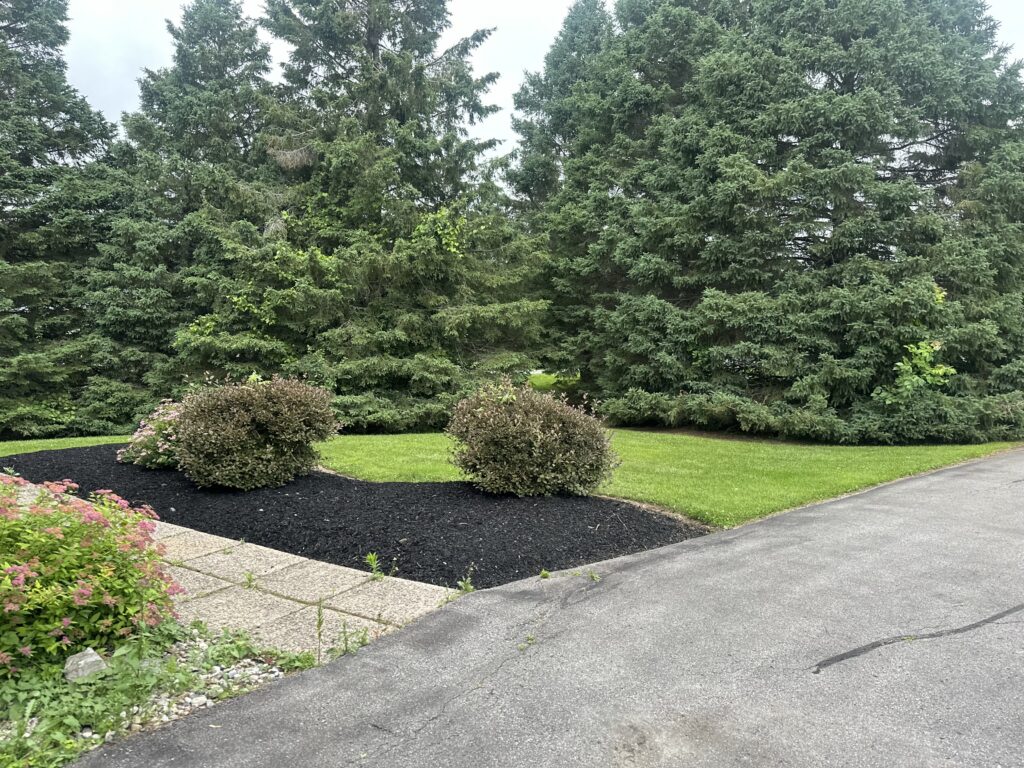
Large commercial properties present a different maintenance challenge than smaller sites. Extensive lawns, multiple entrances, parking areas, landscape islands, walkways, loading zones, building frontage, and common outdoor spaces all need attention, often across a property that experiences significant daily vehicle and pedestrian traffic.
For property managers in Stittsville, successful groundskeeping requires more than completing individual landscaping tasks. It requires establishing priorities, maintaining consistent standards across the site, and identifying areas that need additional attention before they begin to look neglected.
Professional commercial groundskeeping in Stittsville can bring mowing, trimming, edging, litter control, landscape bed maintenance, seasonal cleanup, and broader exterior property care together under a coordinated maintenance strategy. OneBluePlanet specifically serves Stittsville and offers commercial grounds maintenance designed around property layout, traffic demands, and site-specific requirements.
Start with the Areas People See First
Large properties can contain extensive exterior spaces, but not every area has the same visual importance.
The highest priority should generally be the areas customers, employees, tenants, and visitors encounter first.
These may include:
- Property entrances
- Building entrances
- Main parking areas
- Road-facing lawns
- Commercial signage
- Primary walkways
- High-visibility landscape beds
Maintaining these locations consistently helps establish a professional impression before visitors reach the building.
This does not mean lower-visibility areas should be ignored. Instead, maintenance schedules can prioritize highly visible sections while still maintaining consistent standards across the entire site.
Build the Groundskeeping Plan Around the Property
Large commercial sites should not be maintained with a one-size-fits-all schedule.
An office complex with large lawns has different priorities from a retail property with extensive parking. Likewise, a multi-building business park may require different maintenance planning from a single commercial building.
OneBluePlanet notes that its commercial maintenance planning considers factors including landscape conditions, traffic demands, site layout, and budget.
Property managers should therefore consider:
- Total property size
- Amount of turf
- Number of buildings
- Parking layout
- Landscape bed locations
- Pedestrian traffic
- Vehicle traffic
- Loading and service areas
- High-visibility zones
- Seasonal requirements
Understanding these characteristics helps determine where maintenance resources should be concentrated.
Make Commercial Turf a Major Priority
Large properties often contain substantial lawn areas.
Because turf occupies so much visual space, its condition can strongly influence the overall appearance of the site.
Thin, uneven, weed-filled, or overgrown grass can make a commercial property appear neglected even when the building itself is professionally maintained.
Commercial turf maintenance should therefore focus on maintaining consistency across the entire site.
Routine grounds services can include mowing, trimming, edging, turf repair, weeding, and other lawn-related maintenance.
Maintain a Reliable Mowing Schedule
Large turf areas need dependable mowing throughout the active growing season.
Inconsistent scheduling can create obvious differences between sections of the property, particularly when some areas grow faster than others.
Regular mowing helps maintain:
- Consistent lawn height
- Professional building frontage
- Cleaner common areas
- Better-defined green spaces
- A more cohesive commercial landscape
Large properties should also be evaluated for areas requiring additional trimming because mowing equipment may not reach every location effectively.
Do Not Let Trimming Become an Afterthought
The larger the property, the more obstacles and detailed areas are likely to exist.
Grass may grow around:
- Trees
- Signs
- Fences
- Curbs
- Buildings
- Landscape features
- Utility areas
If these locations are not trimmed consistently, the difference between maintained open turf and neglected edges becomes highly visible.
Professional trimming creates a more complete finish across the property.
Use Edging to Create Visual Structure
Large commercial sites benefit considerably from defined landscape boundaries.
Edging helps separate turf from:
- Parking areas
- Sidewalks
- Curbs
- Landscape beds
- Building entrances
- Other paved surfaces
Without regular edging, grass can gradually extend beyond its intended boundaries and make exterior spaces look less organized.
Clean edges create visual structure and can make large commercial landscapes appear much more professionally maintained.
Monitor High-Traffic Turf
Not every lawn section experiences the same amount of stress.
Large commercial properties may have areas where employees, customers, or visitors repeatedly cross the grass instead of following established walkways.
These areas may develop:
- Thin turf
- Bare patches
- Compacted soil
- Increased weeds
- Uneven growth
Property managers should identify these high-traffic locations and monitor them more closely.
Turf repair, overseeding, or other appropriate maintenance may be required when repeated use begins affecting lawn condition.
Prioritize Landscape Beds Near Entrances
Landscape beds can significantly improve commercial curb appeal, especially around building entrances and property signage.
However, neglected beds can quickly have the opposite effect.
Routine commercial bed maintenance may involve:
- Weed removal
- Edging
- Mulch maintenance
- Shrub care
- Debris removal
- Plant monitoring
OneBluePlanet’s current commercial grounds services include routine bed care as well as improvements such as mulch, river rock, planting, shrub replacement, garden-bed restoration, topsoil, seed, and sod.
For large properties, entrance beds and other high-visibility landscaping should receive particular attention.
Restore Landscape Beds Before They Become Major Projects
Commercial landscape beds can gradually deteriorate.
Weeds spread, mulch becomes thin, shrubs decline, and the original definition of the bed may disappear.
Waiting too long can eventually turn routine maintenance into a larger restoration project.
Regular inspections allow property managers to identify beds that need additional attention while conditions remain manageable.
Where required, restoration can involve removing unwanted growth, preparing the bed, replacing materials, and introducing new plantings or mulch.
Keep Shrubs Under Control
Shrubs provide structure to commercial landscapes but need routine maintenance.
Overgrown shrubs may interfere with:
- Building entrances
- Walkways
- Signs
- Parking spaces
- Windows
- Sightlines
Large commercial properties may contain dozens of shrub areas, making scheduled inspection particularly important.
Regular pruning and maintenance help vegetation remain appropriate for the location while supporting a clean, professional exterior.
Make Litter Pickup a Core Groundskeeping Task
Large commercial properties naturally provide more locations where litter can accumulate.
Wind can carry paper, packaging, and other lightweight debris across parking areas and into:
- Landscape beds
- Shrubs
- Fence lines
- Property boundaries
- Parking lot islands
- Building corners
- Turf areas
OneBluePlanet includes litter pickup within its routine commercial grounds maintenance services.
Regular litter control is particularly important because a property can have freshly maintained landscaping and still appear neglected when debris is visible throughout the site.
Give Parking Lot Surroundings Equal Attention
Large commercial properties frequently have extensive parking facilities.
Parking areas should not be treated as completely separate from groundskeeping because landscaping surrounds and intersects with them.
Property managers should monitor:
- Parking lot edges
- Curbs
- Landscape islands
- Adjacent turf
- Pedestrian routes
- Vegetation
- Debris accumulation
OneBluePlanet’s commercial site planning specifically considers features such as entrances and exits, accessible parking and walkways, loading zones, tenant traffic, drainage, landscape access, and high-visibility areas.
Coordinating these areas creates a more consistent exterior.
Maintain Parking Lot Landscape Islands
Landscape islands are especially visible on large commercial properties.
Because customers and employees drive and walk past them every day, neglected islands can quickly undermine the appearance of an otherwise maintained parking area.
Depending on the landscape design, maintenance may include:
- Mowing
- Trimming
- Weed management
- Shrub maintenance
- Bed care
- Edging
- Litter removal
These areas should be deliberately included in groundskeeping schedules rather than treated as secondary landscaping.
Keep Walkways Clear and Professional
Large commercial properties can contain extensive pedestrian networks.
Employees and visitors may move between parking areas, multiple buildings, common spaces, and entrances.
Groundskeeping around walkways should focus on keeping surrounding vegetation controlled and maintaining clean transitions between turf and paved surfaces.
Particular attention should be given to:
- Main entrances
- Accessible routes
- High-traffic sidewalks
- Connections between parking and buildings
- Common pedestrian areas
A professionally maintained walkway environment helps the property feel organized and cared for.
Pay Attention to Accessible Areas
Accessible parking spaces, routes, and entrances are important parts of commercial property operations.
Exterior maintenance planning should recognize these locations as priority areas.
Vegetation, debris, or poorly maintained landscape edges should not be allowed to interfere with important pedestrian routes.
OneBluePlanet includes accessible parking and walkways among the operational details reviewed during commercial site planning.
For large properties, identifying these priority zones during routine site inspections helps keep maintenance focused where it matters most.
Maintain Visibility Around Vehicle Routes
Commercial landscaping should not interfere with the way vehicles move through a property.
Shrubs and other vegetation should be monitored around:
- Entrances
- Exits
- Internal intersections
- Parking areas
- Loading zones
- Signs
Regular trimming can help preserve clear sightlines while maintaining the intended landscape design.
This is particularly important for larger sites where multiple vehicle and pedestrian routes intersect.
Include Loading and Service Areas in Groundskeeping
Loading zones and service areas may not be the most visually prominent parts of a commercial property, but they should not be ignored.
These spaces can accumulate:
- Litter
- Packaging
- Leaves
- Landscape debris
- General exterior clutter
If left unattended, material can spread into surrounding areas.
Including service zones in routine groundskeeping helps maintain a consistent standard across the entire property instead of focusing exclusively on customer-facing sections.
Monitor Drainage Conditions
Large properties can contain numerous drainage areas.
Leaves, grass clippings, soil, and other debris may accumulate around these locations.
Routine groundskeeping creates opportunities to monitor drainage areas and remove unnecessary material.
Property managers should also pay attention to recurring water accumulation around turf, parking areas, landscape beds, or walkways.
Persistent conditions may indicate that further assessment is appropriate.
Spring Should Begin with a Complete Property Assessment
After winter, large Stittsville commercial properties can require substantial exterior attention.
Instead of immediately focusing only on mowing, property managers should begin with a complete site assessment.
Spring priorities can include:
- Debris removal
- Turf inspection
- Landscape bed cleanup
- Edge restoration
- Weed monitoring
- Shrub inspection
- Parking area cleanup
- Storm debris removal
OneBluePlanet includes spring and fall cleanup, leaves, sweeping, storm debris, and related seasonal property care within its commercial grounds offering.
Starting with the entire property makes it easier to establish priorities for the growing season.
Summer Is About Maintaining Consistency
Summer is when groundskeeping becomes most visible.
Grass grows rapidly, weeds develop, shrubs expand, and commercial properties continue receiving daily traffic.
A dependable summer maintenance program can include:
- Mowing
- Trimming
- Edging
- Blowing
- Litter pickup
- Weeding
- Routine bed care
- Landscape monitoring
These activities align closely with OneBluePlanet’s current routine commercial grounds service.
For larger properties, consistency is especially important because neglected sections can become obvious when compared with areas receiving regular attention.
Fall Requires Frequent Cleanup
Large properties can accumulate significant amounts of leaves and organic debris.
Leaves may collect across:
- Lawns
- Parking lots
- Curbs
- Landscape beds
- Walkways
- Drainage areas
- Building entrances
Waiting until every leaf has fallen can allow the property to appear neglected for an extended period.
Routine fall groundskeeping helps maintain appearance throughout the seasonal transition.
Divide Large Properties into Maintenance Zones
One useful approach for larger commercial properties is to think in terms of maintenance zones.
For example, the site may be divided into:
- Main entrance zone
- Building frontage
- Primary parking areas
- Secondary parking areas
- Landscape islands
- Common green spaces
- Loading and service zones
- Property boundaries
Each zone can then be evaluated according to visibility, traffic, landscape requirements, and maintenance frequency.
This approach can make complex commercial sites easier to manage without losing sight of the property as a whole.
Maintain Consistent Standards Across Multiple Buildings
Business parks and multi-building commercial properties face an additional challenge.
One building should not appear significantly better maintained than another simply because maintenance attention is unevenly distributed.
Groundskeeping should establish consistent standards across:
- Lawns
- Landscape beds
- Entrances
- Walkways
- Parking surroundings
- Common spaces
This creates a unified property identity and supports every tenant operating within the development.
Groundskeeping Can Support Tenant Satisfaction
Tenants experience the exterior environment every day.
They may not directly manage lawns, landscape beds, parking islands, or common grounds, but these spaces affect how their customers and employees experience the property.
Consistent groundskeeping provides tenants with:
- Professional surroundings
- Cleaner entrances
- Maintained common areas
- Attractive green spaces
- Better overall property presentation
For large multi-tenant properties, maintaining shared exterior areas can therefore contribute to a stronger tenant experience.
Protect Existing Landscape Investments
Large commercial landscapes can represent substantial investments.
Turf, shrubs, landscape beds, trees, and other exterior features become more expensive to restore when deterioration is allowed to progress too far.
Routine groundskeeping helps protect these investments through ongoing observation and preventative care.
Small concerns such as thinning turf, developing weeds, or overgrown beds can be addressed before they become major restoration projects.
Preventative Groundskeeping Can Reduce Property Neglect
Neglect often begins in less visible areas.
A few weeds appear beside a parking lot. Debris collects near a fence. One landscape island becomes overgrown. Turf around a walkway begins deteriorating.
Large properties contain enough exterior space that these problems can easily go unnoticed.
Routine inspections reduce that risk.
A preventative maintenance strategy gives property managers regular opportunities to identify developing concerns throughout the site.
Use Site Walkthroughs to Establish Priorities
Large commercial properties benefit from periodic site walkthroughs.
OneBluePlanet’s commercial planning approach specifically emphasizes reviewing operational details such as entrances, accessible areas, loading zones, traffic patterns, drainage, landscape access, and high-visibility locations.
A walkthrough can help determine:
- Which areas require immediate attention
- Which areas experience the greatest wear
- Where landscape improvements may be beneficial
- Which maintenance tasks should occur more frequently
- Whether existing service priorities still match property use
This helps groundskeeping plans evolve as the commercial property changes.
Integrated Maintenance Can Simplify Large Property Management
Large properties can become difficult to manage when multiple contractors handle overlapping exterior responsibilities.
One provider may mow the lawn while another maintains beds and another handles parking surroundings.
An integrated approach can coordinate:
- Commercial groundskeeping
- Turf maintenance
- Landscape improvements
- Seasonal cleanup
- Parking and exterior care
- Broader year-round property maintenance
OneBluePlanet’s current commercial model centers on grounds maintenance and year-round exterior property care for commercial properties and portfolios.
For property managers, this can create clearer accountability and more consistent exterior standards.
Choosing Commercial Groundskeeping Services in Stittsville
Large properties require maintenance providers capable of working at commercial scale.
Property managers should consider experience with:
- Large commercial sites
- Business parks
- Retail properties
- Office properties
- Multi-building developments
- Commercial turf
- Landscape beds
- Groundskeeping
- Seasonal cleanup
Service reliability, communication, and the ability to identify changing property priorities are equally important.
The goal should not simply be completing a list of tasks. It should be maintaining a consistent professional standard across the entire site.
Final Thoughts
Groundskeeping for large commercial properties in Stittsville requires careful prioritization.
High-visibility entrances, commercial turf, landscape beds, parking lot surroundings, walkways, accessible routes, loading areas, and common grounds all have different maintenance demands. The larger the property becomes, the more important it is to establish a structured maintenance strategy rather than responding only when individual areas begin looking neglected.
Professional commercial groundskeeping in Stittsville can combine mowing, trimming, edging, litter pickup, weed management, landscape bed care, seasonal cleanup, and broader exterior property maintenance into one coordinated program.
By prioritizing high-traffic and high-visibility areas while maintaining consistent standards across the complete property, Stittsville property managers can protect existing landscape investments, support tenants, improve curb appeal, and maintain a cleaner and more professional commercial environment throughout the growing season.